October 12, 2026
The global demand for weather-resistant shade structures has grown as awareness of severe climate events increases. Awnings have traditionally been used for aesthetics and shade, but today they play an essential role in protecting commercial and residential properties across harsh environments. Top awning companies are at the forefront of this evolution, pioneering custom solutions that blend design excellence with weather resilience. They utilize cutting-edge material science and structural engineering to create canopies that stand up against environmental challenges. This article delves into the methodologies and technologies leading manufacturers employ to produce custom shade solutions capable of withstanding severe weather conditions.
Understanding the Basics of Weather-Resistant Materials
Selecting high-performance fabric is a critical starting point for engineering weather-resistant awnings. Marine-grade acrylic, high-density polyester, and vinyl-coated composites are commonly used due to their inherent durability. These specialized textiles are chosen based on their ability to withstand diverse environmental stresses, including torrential rain, intense solar radiation, and high wind velocity. Advanced fabric engineering allows top awning companies to craft protective covers that resist tearing and sagging while maintaining their visual appeal over years of continuous outdoor exposure.
Beyond choosing high-grade fabrics, manufacturers employ various structural reinforcement techniques to enhance canopy resilience. Methods such as multi-layer stitching, high-tension cable edging, and heat-welded seams improve fabric stability and tear resistance under load. This structural reinforcement is necessary in regions prone to severe weather. According to HomeGuide, an awning can withstand wind speeds between 20 and 25 mph, but it must be retracted if winds exceed 25 miles per hour to prevent irreparable damage. By implementing robust frame bracing, awning companies ensure their installations protect surrounding building features effectively.
Waterproofing is an essential aspect of shade design, particularly in areas subject to heavy seasonal rainfall. Leading fabricators utilize fluorocarbon and polyurethane coatings that protect fabrics from moisture penetration and prevent seam leakage. These hydrophobic coatings create an impermeable barrier against standing water while allowing the material to remain flexible. Advanced waterproofing extends the operational lifespan of the installation by preventing mold growth and material rot, offering property owners reliable overhead coverage during major rainstorms.
UV protection measures are equally crucial for awnings exposed to constant sunlight, preventing thread breakdown and premature color fading. Manufacturers integrate specialized UV-inhibiting compounds into their fabric dyeing processes. These chemical barriers shield the textile matrix from harmful ultraviolet rays, prolonging the canopy's service life. Additionally, blocking direct sunlight reduces solar heat gain through windows and patio doors, allowing commercial and residential awning companies to help clients reduce indoor cooling costs during peak summer months.
Innovative Design Practices for Extreme Climates
Adapting canopy structures to localized environmental conditions is key to creating long-lasting weather-resistant installations. Structural engineers assess historical climate data to identify primary site hazards, such as heavy snow accumulation or coastal wind shear. Frames are then tailored using high-strength aluminum alloys or stainless steel tubing engineered to handle specific load calculations. In cold regions, sloped fixed frames encourage automatic snow shedding, whereas coastal installations prioritize anodized hardware to prevent rapid corrosion from airborne salt spray.
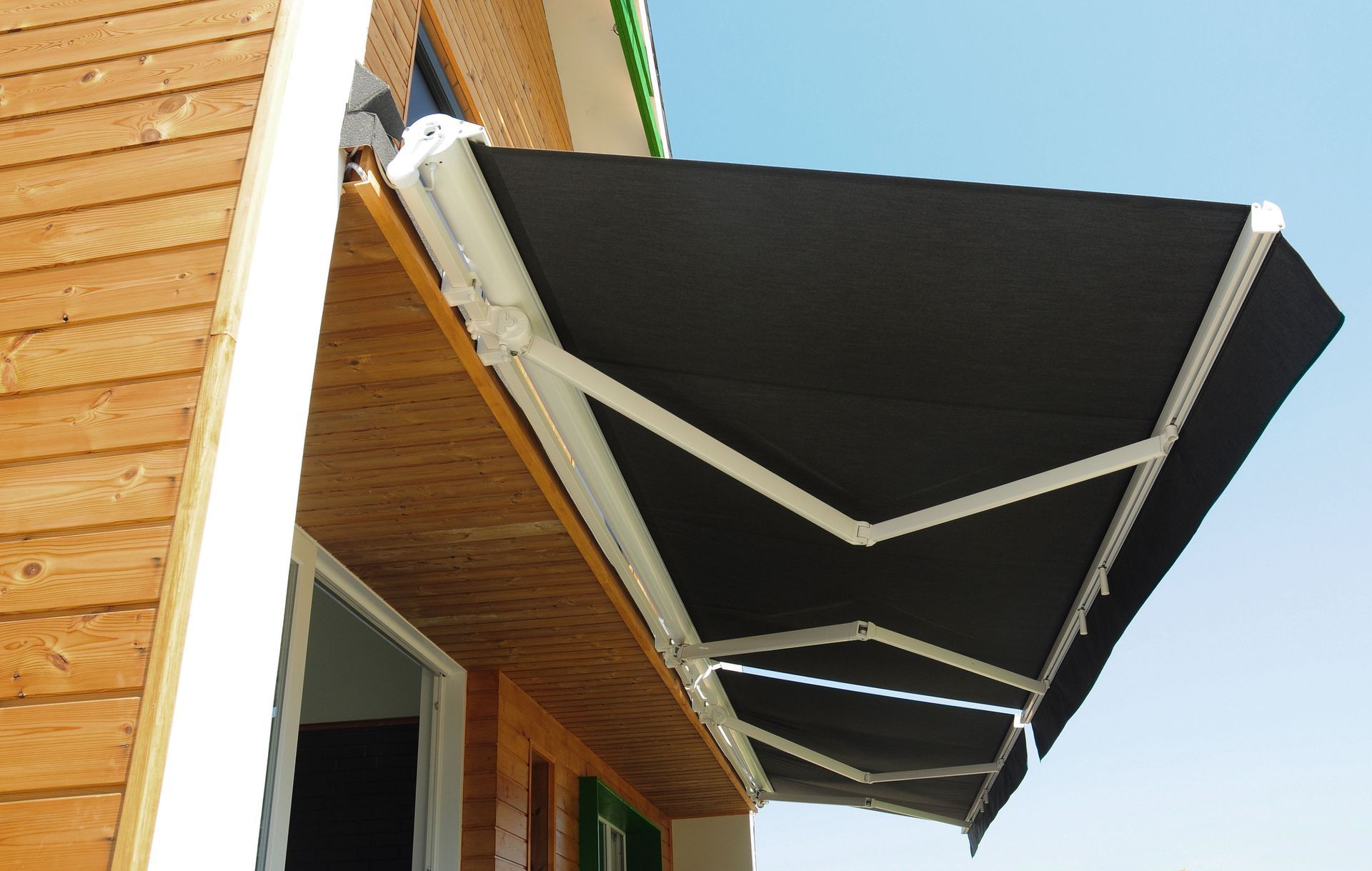
Retractable and modular systems offer distinct operational advantages when handling sudden, violent shifts in weather patterns. These dynamic systems allow flexible fabric panels to be quickly folded or fully retracted into protective cassettes during extreme conditions. When severe weather threatens, motorized retractable frames pull the fabric flush against the building façade, eliminating wind resistance. Modern awning companies frequently recommend these adaptable systems for commercial dining patios and exposed residential decks where environmental conditions change rapidly throughout the day.
The incorporation of smart automation technology has revolutionized weather-resistant outdoor living solutions. Advanced environmental sensors and automated electric motors enable motorized frames to react autonomously to changing weather conditions. Integrated wind anemometers trigger automatic system retraction when wind speeds cross predefined safety thresholds, eliminating human error. Similarly, rainfall and optical sun sensors deploy or stow the canopy based on real-time precipitation and UV intensity, offering property owners seamless protection and equipment preservation.
In hot desert climates, effective heat management is essential for preserving underlying outdoor living spaces. To combat thermal absorption, top awning companies utilize reflective topcoats and breathable weave patterns that allow rising heat to escape. Deflecting solar radiation prevents thermal buildup underneath the frame, keeping outdoor seating areas cooler. These specialized heat-shedding designs preserve user comfort while reducing thermal transfer into adjacent indoor spaces, lowering the building's overall energy footprint.
Testing, Quality Assurance, and Certification
Before any high-performance awning is installed, the underlying raw materials undergo rigorous testing protocols to verify structural durability. Engineering labs evaluate tensile strength, tear resistance, hydrostatic water pressure limits, and colorfastness under accelerated weathering conditions. Established manufacturers invest in advanced testing facilities where prototype frames and textiles are subjected to simulated storm conditions. This proactive quality control ensures that only verified materials enter the production pipeline, safeguarding property owners from premature product failure.
A critical phase in product development involves stress-testing fully assembled frame prototypes under extreme load conditions. Environmental test chambers evaluate how frame joints, mounting brackets, and fabric seams react to high wind drag, heavy downpours, and freezing temperatures. Test protocols subject equipment to conditions exceeding standard operational limits to discover potential failure points. By identifying structural weaknesses early, awning companies reinforce frame geometry and wall anchor specifications to deliver reliable finished products to their clientele.
Adherence to international certification standards gives commercial clients confidence regarding product safety and weather resilience. Recognized industry certifications verify that frame designs comply with local building codes for wind uplift and structural dead-load requirements. By aligning manufacturing processes with strict building performance guidelines, premier awning companies demonstrate their commitment to engineering integrity, ensuring that commercial installations safely endure severe weather events.
Following professional installation, ongoing maintenance protocols help retain the protective qualities of the structure throughout its intended lifespan. Many full-service contractors offer scheduled maintenance programs to inspect wall anchors, lubricate motorized tracks, and evaluate fabric tension. Periodic inspections allow technicians to identify minor wear early, apply protective re-coating treatments, and execute timely repairs before major weather events occur, ensuring long-term operational performance.
Collaborative Customization and Future Industry Trends
The consultation process is fundamental when engineering custom shade solutions for unique site conditions. Design teams engage directly with property owners, architects, and structural engineers to assess spatial layouts and localized weather challenges. This collaborative approach allows specialized awning companies to design custom frame geometries, select ideal fabric weights, and integrate automated control systems tailored to the site. Tailored solutions ensure that the finished installation balances architectural beauty with structural performance.
Emerging developments in material science promise to further elevate the performance standards of weather-resistant canopies. Innovations in nanotech coatings, high-strength composite polymers, and flexible solar-integrated fabrics are expanding what shade structures can achieve. Next-generation textiles offer self-cleaning properties, higher flame resistance, and enhanced tear strength at lighter physical weights. As these advanced materials enter the market, leading awning companies will deliver increasingly durable, energy-efficient, and versatile shade solutions for residential and commercial spaces.
To ensure your residential or commercial property is fully protected with high-performance shade engineering, partner with experienced professionals who understand structural design, localized wind loads, and premium material selection. Investing in a custom-built, weather-resistant shade system not only enhances your outdoor living space and boosts overall curb appeal, but it also provides year-round defense against extreme weather and excessive solar heat gain. For custom fabrication, durable, long-lasting materials, and expert professional installation tailored to your precise architectural needs, contact Classic Custom Awnings to create your ideal outdoor solution today.